
Top Gun (Drone) School
Another nail in the Coffin of Convention. Maybe those Gen-X Life Skills will save humanity from ourselves once again. Do we control The Robot? Or Not? Let's see.


Compass Star Wordsmith is a reader-supported publication. To receive new posts and support my work, consider becoming a free or paid subscriber. I’m been taking a week off here and there to move ahead. Your continued readership makes this endeavor worthwhile. Clicking a button has never been easier and more enhancing. Do Your Part.
This morning, as I scrolled through the digital ether—a vast, uncharted sea of algorithms and alerts—a drone article buzzed into my feed like a persistent mosquito. No surprise there; my algotree’s been humming with drone content for weeks, mirroring my sharpening obsession. Drones aren’t just gadgets anymore; they’re the new compass points in our skies, rewriting navigation for commerce, conflict, and perhaps even survival.
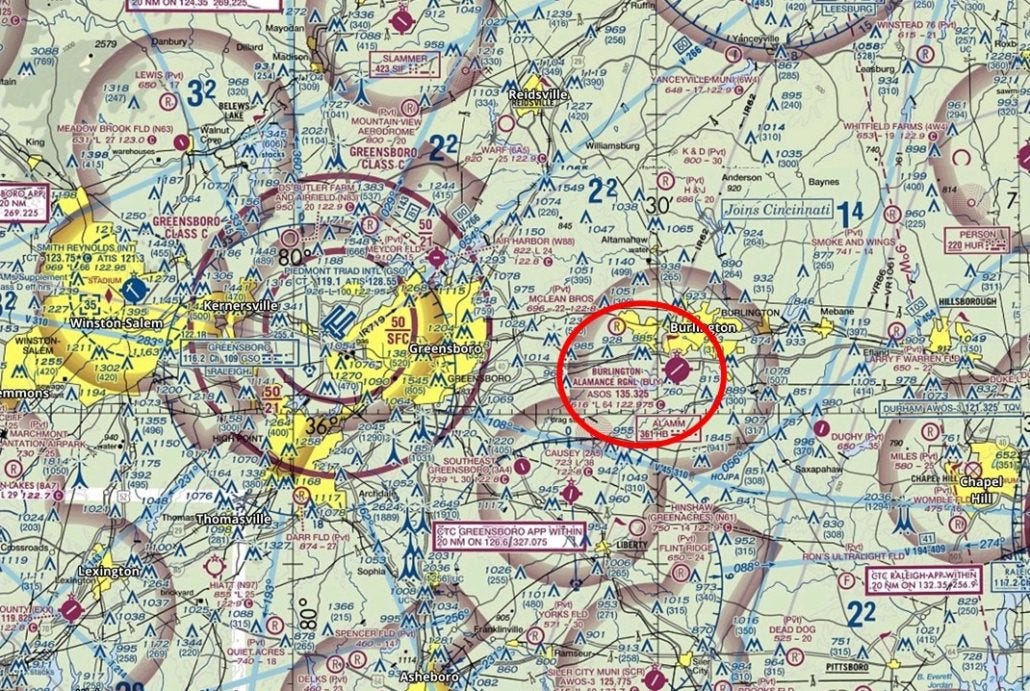
This fascination has steered me straight into drone pilot classes, where I’m charting a path toward an FAA Part 107 UAS Remote Pilot Certificate. Rolled out in 2006 amid a boom in drone manufacturing, this cert transforms backyard flyers into certified navigators of the National Airspace System. The coursework? It’s a grind—air law, meteorology, sectional charts—but it’s exhilarating, like plotting a star course in a storm.
Yet, as I dive deeper, a shadow looms over the horizon. Michael Knights’ recent UnHerd piece paints a stark picture: drones are upending warfare, turning battlefields into video-game arenas where cheap swarms outmaneuver multimillion-dollar hardware.
If the apocalypse hits tomorrow, nations like Ukraine, Iran, North Korea, and China could dominate the skies with militarized fleets, leaving America scrambling in the dust. This gap, widening over the past four years, has surfaced in public discourse, yet it’s met with a collective yawn. Why the apathy? Perhaps because drones feel distant, like stars in a night sky—until they blot out the sun.

Let’s rewind the compass needle to understand how we got here. The history of drones stretches back over two centuries, a tale of innovation born from war’s grim necessities. It begins in 1782 with the Montgolfier brothers in France, who launched unmanned hot-air balloons for aerial observation, primitive scouts floating on thermal winds. By 1806, kites joined the fray, used by British forces for reconnaissance.
But the real pivot came in 1849 during the Venetian revolt against Austria: Austrian forces deployed bomb-laden balloons against rebels, marking the first military use of unmanned aerial vehicles (UAVs). These weren’t sleek quadcopters; they were crude, wind-dependent harbingers of airborne destruction.

A target drone incidentally launched Marilyn Monroe’s career when she worked in its factory
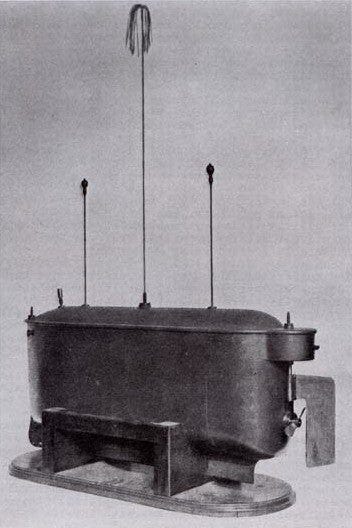
Fast-forward to the late 19th century. In 1898, Nikola Tesla demonstrated the first radio-controlled craft—a boat, but the principle ignited imaginations for aerial applications. World War I accelerated the evolution: In 1917, the U.S. Navy tested the Hewitt-Sperry Automatic Airplane, a torpedo-like “flying bomb” guided by gyroscopes.
The interwar years birthed the term “drone,” inspired by the de Havilland DH.82B Queen Bee, a radio-controlled target aircraft buzzing like its namesake. World War II saw mass production: The German V-1 “buzz bomb” terrorized London, while the U.S. fielded the Radioplane OQ-2, a target drone that incidentally launched Marilyn Monroe’s career when she worked in its factory.

The Cold War era refined drones into reconnaissance tools. During Vietnam, the Ryan Firebee conducted over 3,400 missions, snapping photos over hostile territory without risking pilots. The 1980s brought GPS integration, enabling precise strikes, as seen in Israel’s use of decoy drones during the 1982 Lebanon War. The modern era exploded in the 1990s with the Predator drone, armed with Hellfire missiles post-9/11, becoming synonymous with targeted assassinations in the War on Terror.
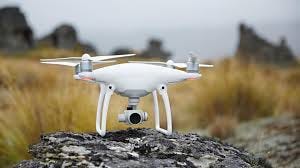
By the 2010s, commercial drones like DJI’s Phantom series democratized the tech, turning hobbyists into aerial filmmakers and surveyors. Today, we’re in the swarm age, where AI orchestrates fleets in synchronized dances of data and destruction.
The U.S. is still flying 1991-era strategies while adversaries iterate in real-time wars
Now, where does America stand in this aerial odyssey as of October 2025? The view from the cockpit isn’t reassuring. Despite being the birthplace of many drone innovations, the U.S. military is grappling with a profound lag. Over 400 drone incursions over U.S. bases have been reported in the past year, an 82% spike, exposing vulnerabilities in counter-unmanned aerial systems (C-UAS).
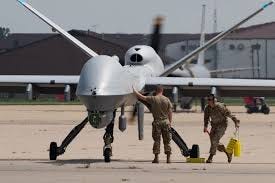
The Pentagon’s reliance on high-end platforms like the MQ-9 Reaper—costing millions per unit—clashes with the cheap, disposable FPV drones dominating Ukraine’s frontlines, where they account for 70% of kills. Feedback from Ukrainian forces led the U.S. to halt Switchblade deliveries; they simply weren’t cutting it against evolving threats.
Policy shifts are underway, though. In June 2025, an executive order aimed to “unleash American drone dominance,” accelerating commercialization and integration into airspace. By July, the Pentagon announced plans to ramp up low-cost drone production, drawing on innovative tech to close the gap. August brought more EOs restricting foreign drones (read: China’s DJI) and bolstering domestic manufacturing.
September saw reinterpretations of arms control pacts, easing exports of U.S. military drones by treating them like fighter jets rather than missiles. Marines are experimenting with emerging tech in exercises, aligning with DoW’s July drone modernization guidance. Yet, critics argue it’s reactive: The U.S. is still flying 1991-era strategies while adversaries iterate in real-time wars. Commercially, events like the 2025 UAV Expo highlight AI and autonomy, but regulations lag, stifling growth.
Key Takeaways from Commercial UAV Expo 2025
Peering into the future, the commercial drone landscape portends a revolution in efficiency and accessibility. By 2030, the global market could hit $57.8 billion, growing at a compound annual rate from $40.6 billion in 2025, driven by services like delivery and inspection. AI-powered autonomy will dominate: Drones navigating urban canyons for Amazon packages or surveying farms with precision agriculture sensors.
Beyond visual line of sight (BVLOS) operations will unlock drone delivery at scale, with heavy-lift models hauling cargo to remote areas. Public safety will surge—drones aiding first responders in disasters, equipped with thermal imaging for search-and-rescue. Easing U.S. regs could swarm skies with autonomous fleets, but privacy concerns and airspace congestion loom as black holes.
Delivery drones alone might balloon from $1.8 billion in 2023 to $12.3 billion by 2028. Innovations like extended battery life, swarm coordination, and AI navigation will make drones indispensable, turning everyday logistics into a ballet of buzzing bots.
Militarily, the horizon darkens with promise and peril. By 2035, the military drone market could reach $60.66 billion from $19.65 billion in 2024. Trends point to AI autonomy, where drones make split-second decisions without human input. Swarm tactics will prevail: Fleets of mini-drones overwhelming defenses, as previewed in Ukraine. Stealth ops and loitering munitions will evolve, with miniaturization enabling insect-sized spies.
By 2026 and beyond, expect integrated payloads for electronic warfare, jamming enemy comms mid-flight. The U.S. draws lessons from Ukraine, pushing replicator programs for mass-produced, disposable UAVs. But adversaries like China lead in production scale, exporting to proxies and reshaping alliances. Ethical quandaries arise: Autonomous kills blurring lines between soldier and machine.
The 21st century as the “Drone Age”?
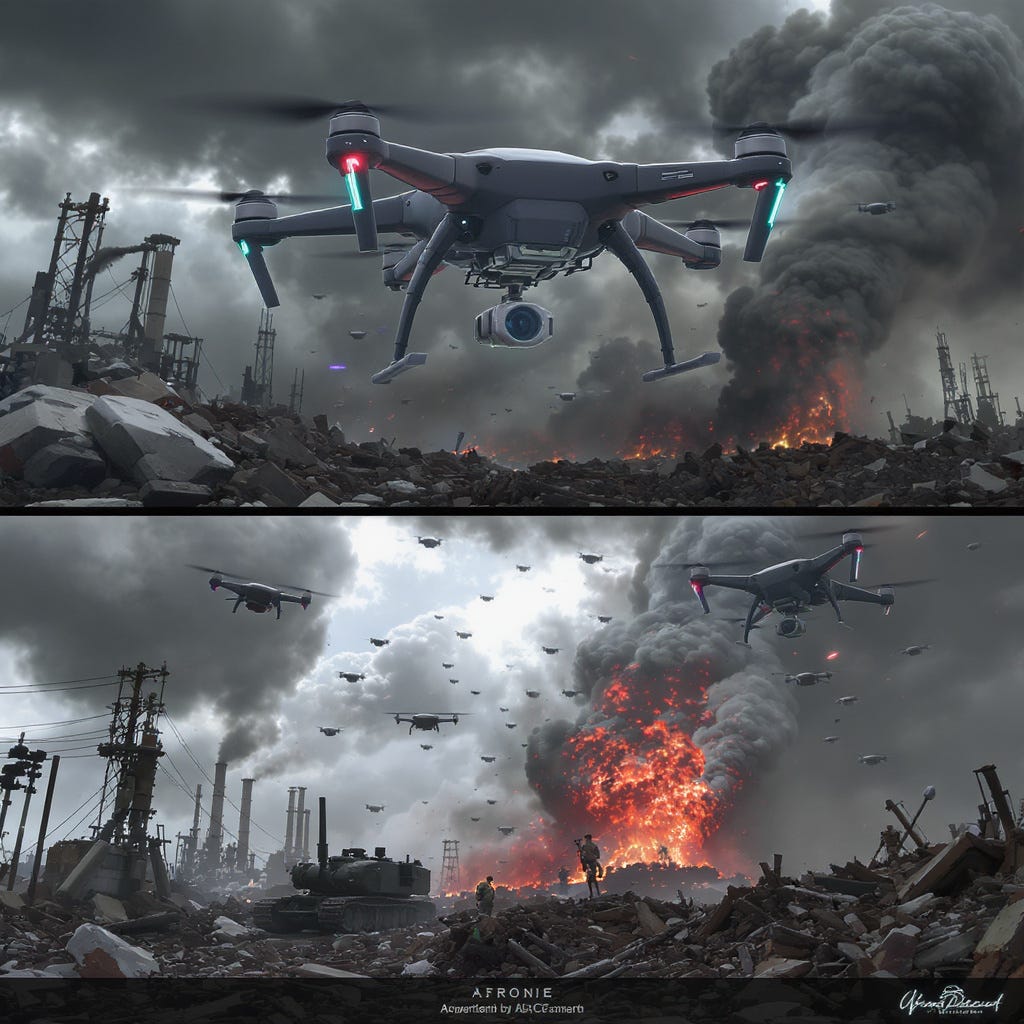
And then, the apocalypse—where drones become the warlords’ scepter. In a collapsed world, drones democratize destruction, empowering ragtag militias with off-the-shelf tech modified for mayhem. Picture swarms scouring ruins, enforcing territories for post-societal overlords. Ukraine’s “drone hellscape” foreshadows this: Cheap FPVs turning battlefields into no-man’s-lands. Warlords could 3D-print fleets, using solar-charged bases to patrol supply lines or assassinate rivals. Non-state actors, like terrorists, already wield them for strikes on infrastructure. In doomsday scenarios, nuclear fallout zones become drone domains, scavenging or defending scarce resources. The 21st century as the “Drone Age”? Swarms could render traditional armies obsolete, with AI networks self-replicating in abandoned factories. Armor extinct, skies ruled by buzzing hordes— a gritty reset where survival hinges on hacking the heavens. Even U.S. infrastructure faces siege from weaponized hobby drones.
As I wrap this celestial navigation through drone realms, the compass spins toward action. America must throttle up—invest in innovation, train pilots like me, and awaken from the yawn. The skies await, fraught with opportunity and omen. If this post has you scanning the horizon, subscribe to Compass Star Wordsmith for more raw reckonings. Share your drone tales in the comments—let’s chart the next course together.
Ric

Portends is one
Of my favorite words, you utilize this word seemlessly.
We're not so far behind and Ukraine has been a huge testing ground for the US. Don't imaging we aren't in there, thick as theives, leading that innovation.