
Last Full Measure
Does personal sacrifice for public good yield results? Does committing to goals beyond self create universal change? Does human nature overrule human nurture?

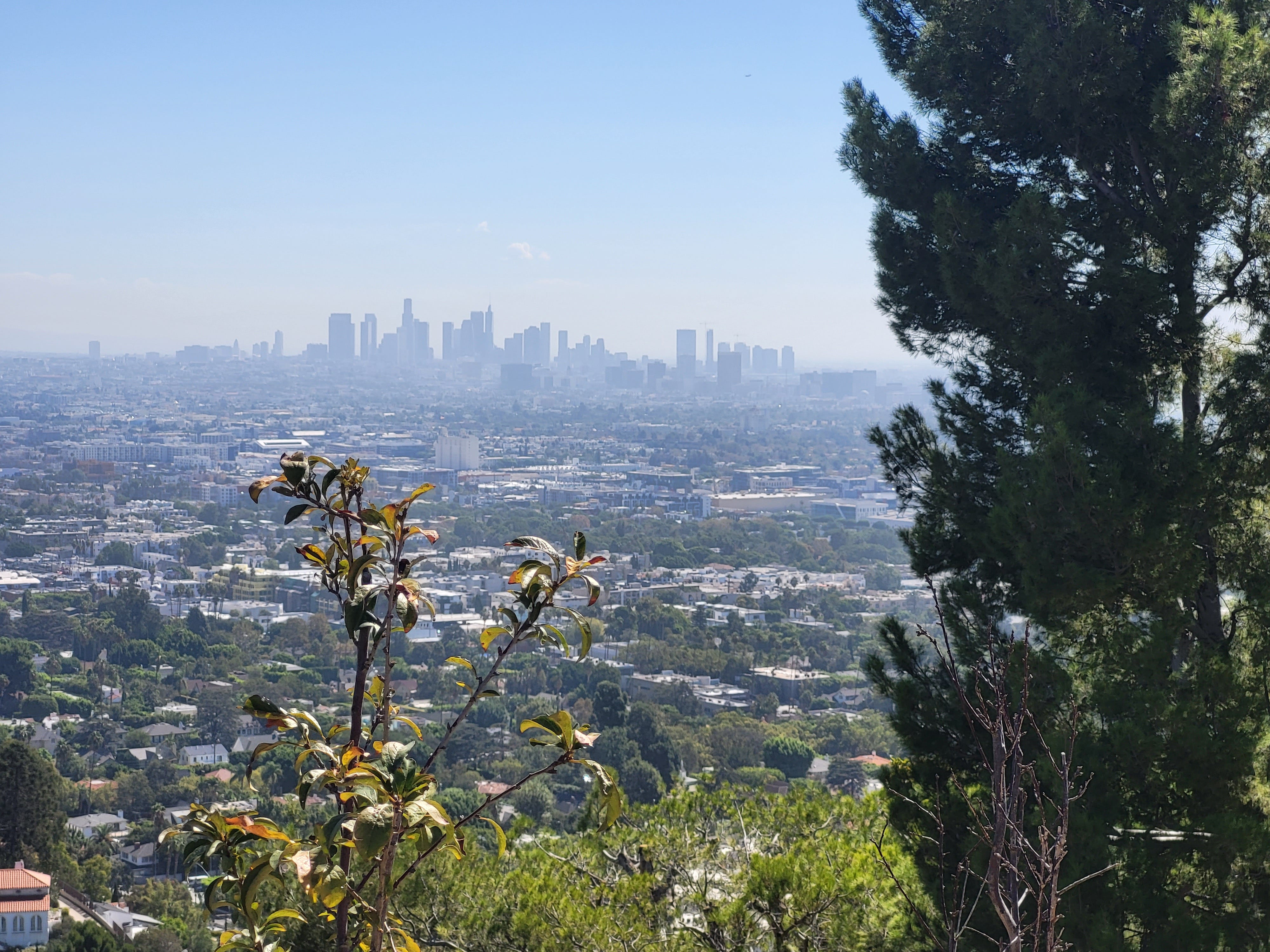
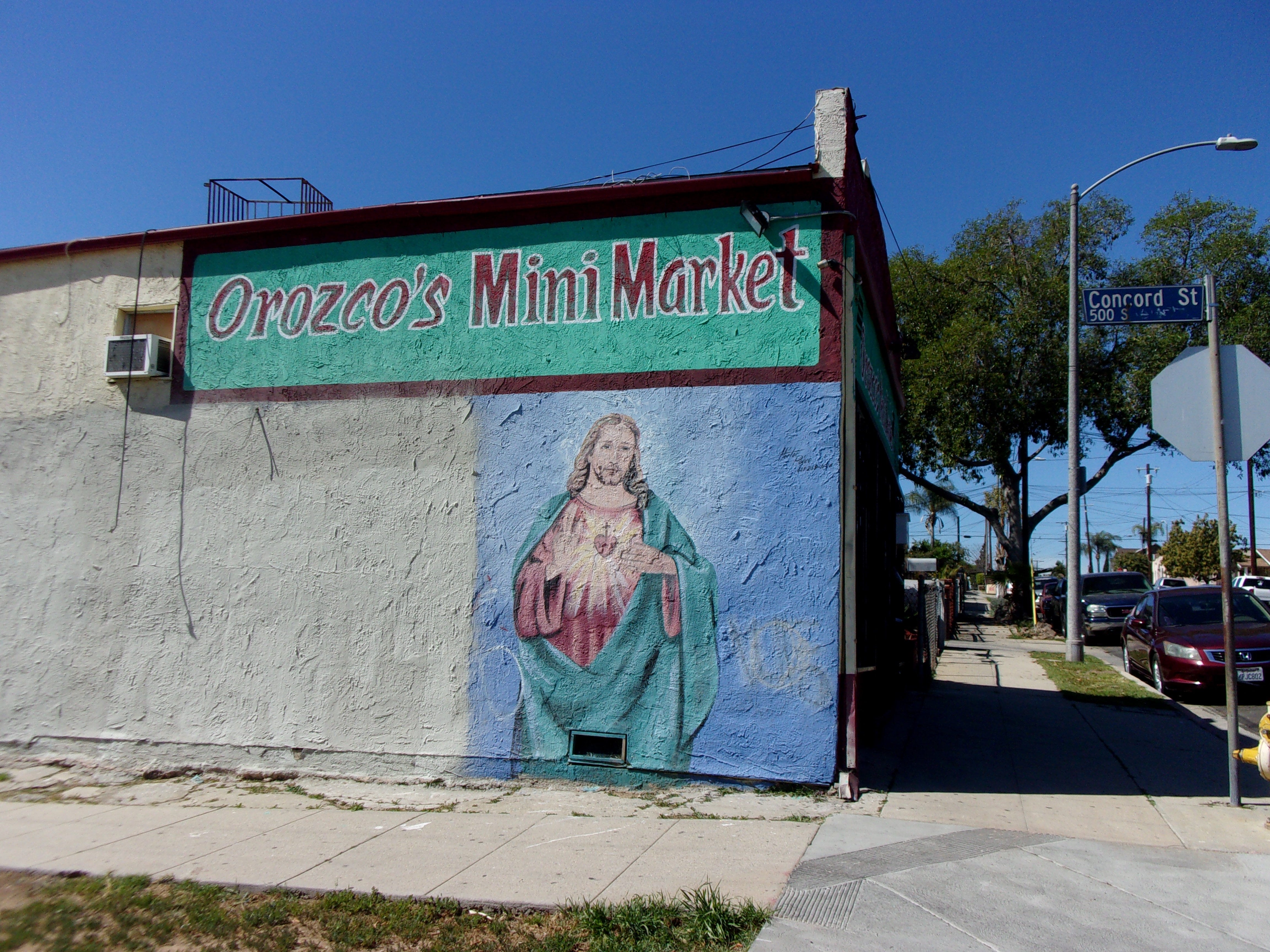

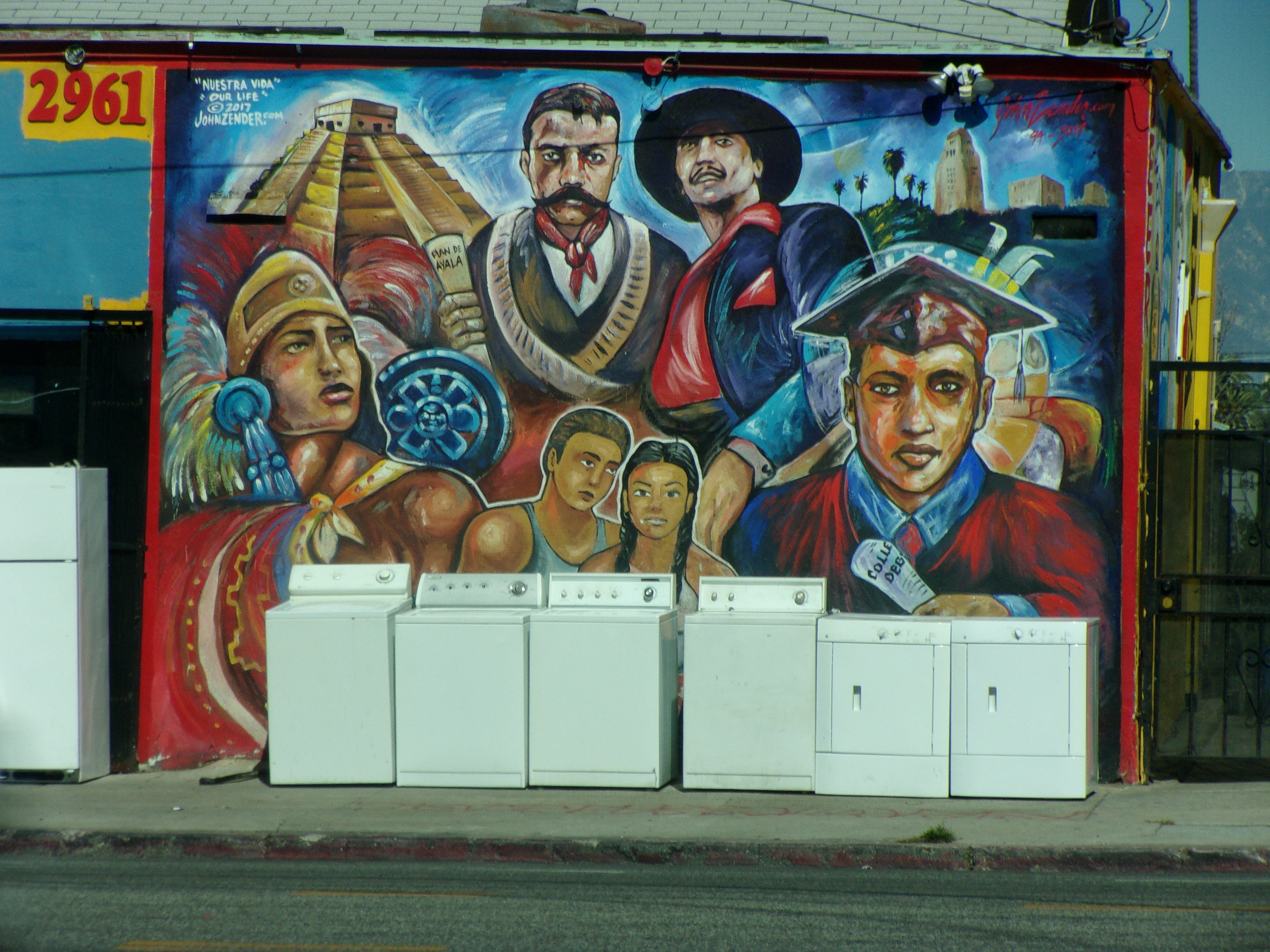
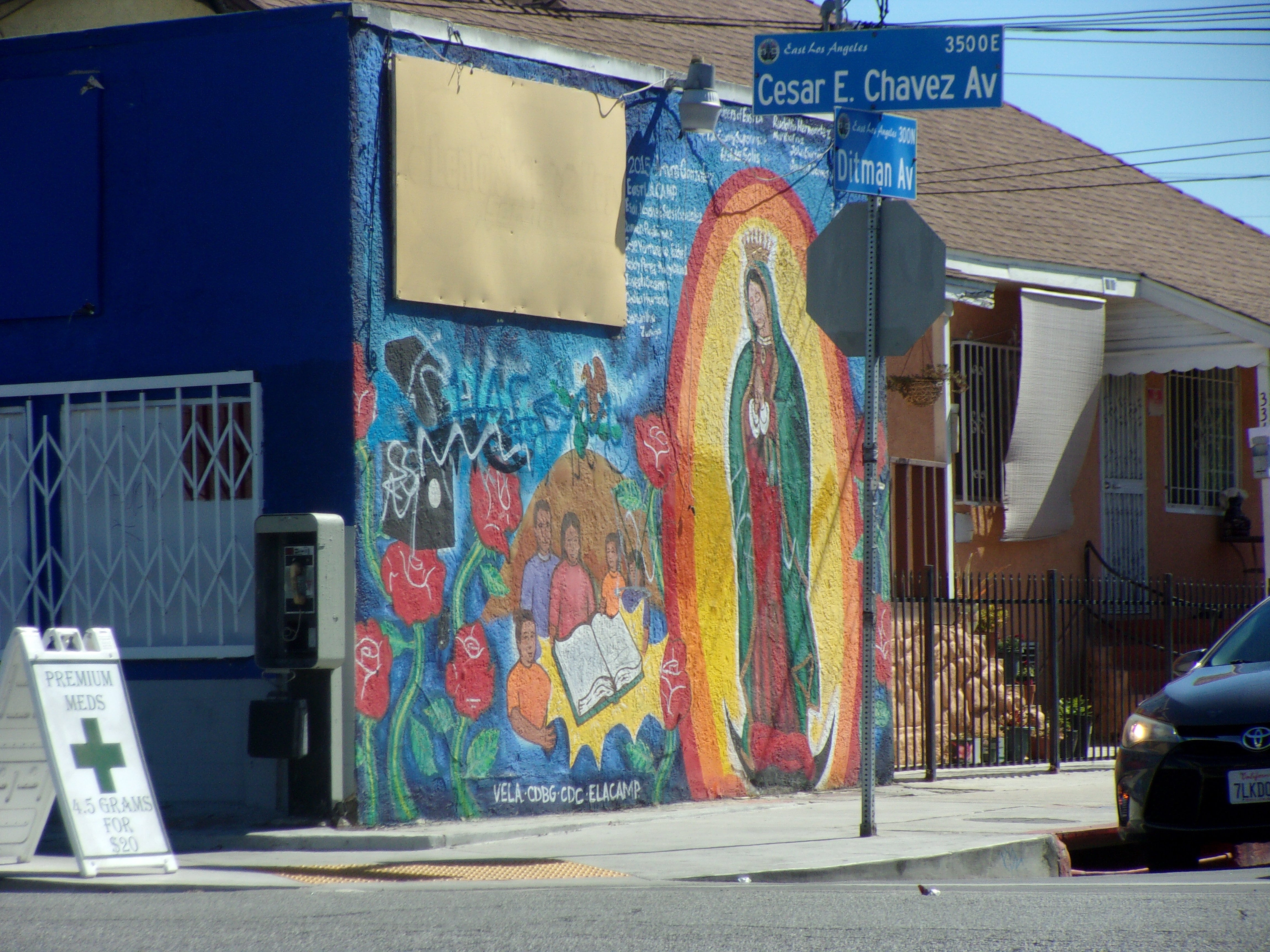

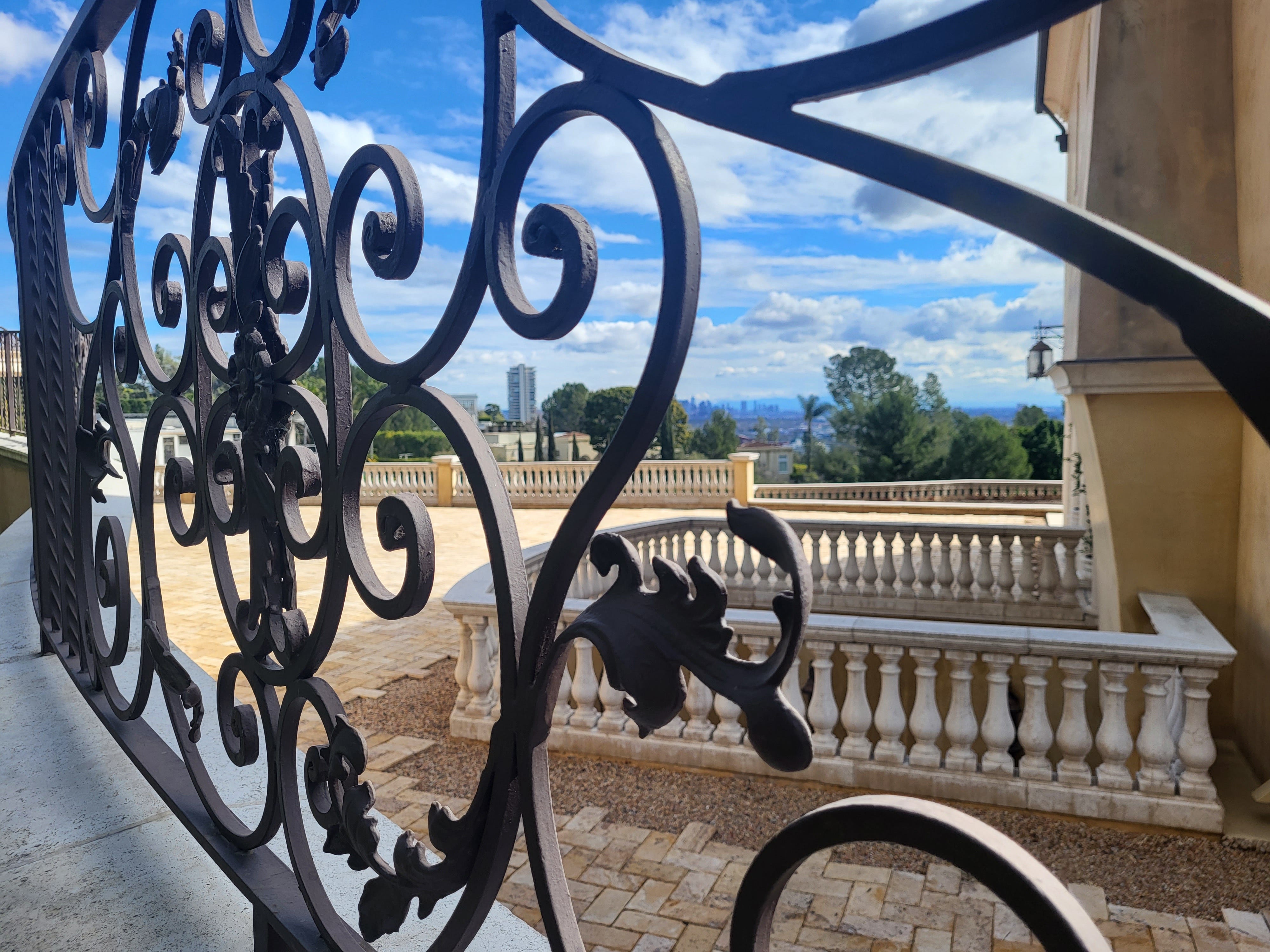


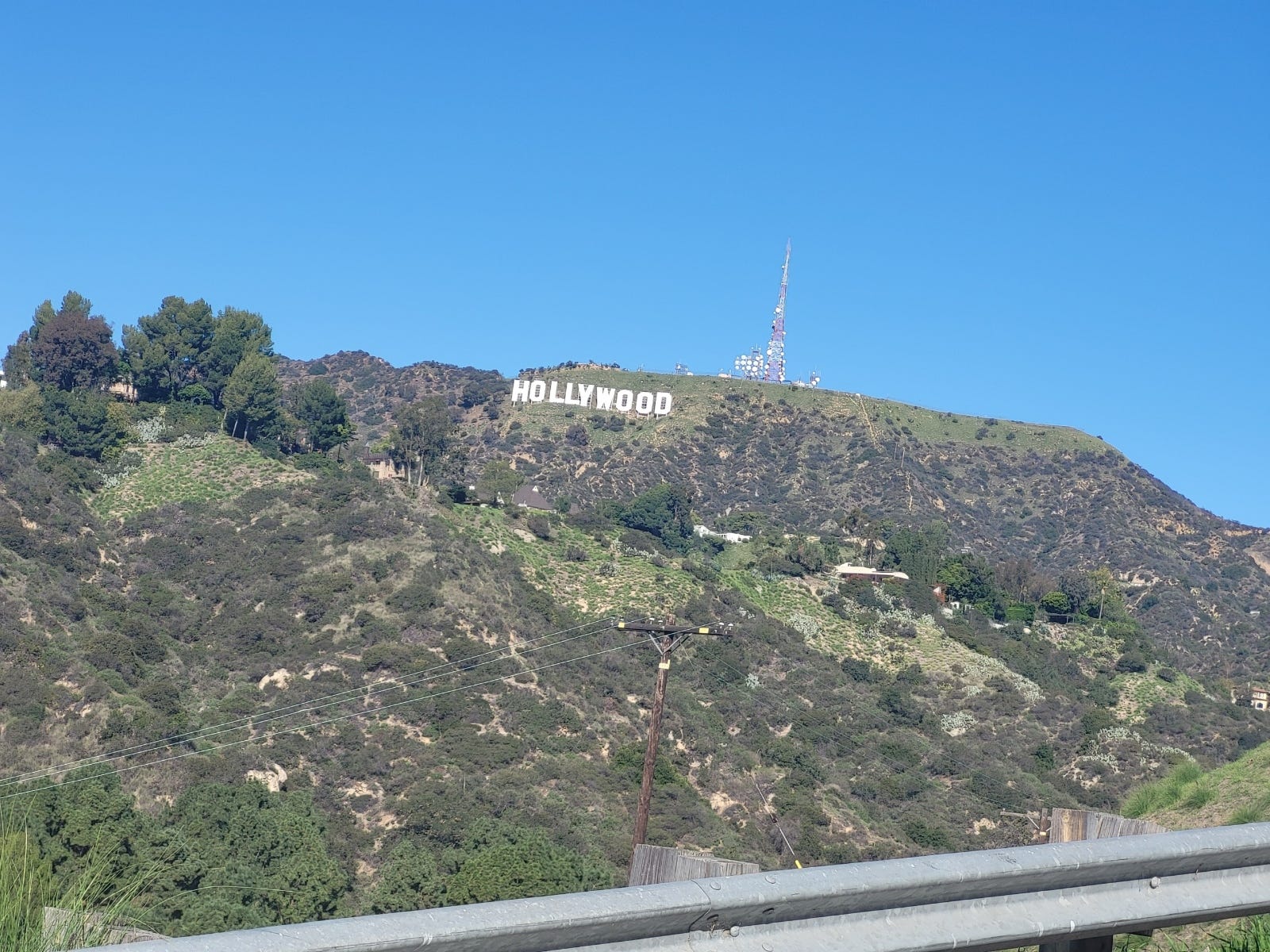
The images of Los Angeles were all captured by me in the travels of my daily life. LA is a destination to millions, but it is my lifeblood and home. I cannot imagine not living here because I’ve lived elsewhere.
Today is Memorial Day - May 25, 2026. Across America, we pause in solemn remembrance of the brave souls who gave their last full measure of devotion to the cause of liberty. We honor the generations of men and women who answered the call of duty, from the frozen fields of Valley Forge to the blood-soaked beaches of Normandy, from the dense jungles of Southeast Asia to the unforgiving terrain of the Middle East.
This year, our hearts are especially heavy as we mourn the 13 American service members who made the ultimate sacrifice during Operation Epic Fury. These warriors - soldiers, airmen, and specialists - gave their lives in a high-stakes mission to confront one of the world’s most dangerous threats. Whether they fell in combat, in aviation tragedies supporting the operation, or from wounds sustained in enemy attacks, their courage reminds us of the profound cost of defending freedom. They left behind families, dreams, and futures, all for a cause greater than themselves. Their names and stories deserve to be remembered not as statistics, but as individual acts of heroism that echo through time.
From the battlefields of the American Revolution to the modern conflicts that continue to test our resolve, these fallen heroes did not die for perfect institutions or flawless leaders. They sacrificed for an idea: that free people, bound by courage and conscience, could govern themselves with justice and humanity. Their graves, marked by flags and flowers today, stand as silent witnesses to the highest form of public service - one that demands everything and expects nothing in return.
In this sacred spirit of remembrance, we are called to reflect not only on their ultimate sacrifice, but on what true commitment to the public good really means in our own time. How do we honor their legacy in the daily governance of our cities and nation? Are we, as citizens and leaders, willing to give even a fraction of the devotion they offered so freely?
The Founders’ Example
In the summer of 1776, fifty-six men gathered in Philadelphia to sign a document that would change human history. They were not career politicians schooled in the arts of bureaucracy, lobbying, or perpetual reelection. They were, by and large, ordinary men thrust into extraordinary circumstances: farmers like John Hancock, lawyers like John Adams and Thomas Jefferson, printers and inventors like Benjamin Franklin, planters and soldiers like George Washington.
Most had little formal “political experience” in the modern bureaucratic sense. What they carried instead was something far rarer - a depth of character, a willingness to risk their lives, fortunes, and sacred honor for ideas larger than themselves. They pledged their own last full measure not because they had mastered the machinery of government, but because they understood first principles: liberty, consent of the governed, accountability to the people, and a healthy distrust of concentrated power.
As Thomas Jefferson would later reflect, they believed that virtuous citizens, bound by moral conviction, could overcome the frailties of human nature.
They designed a republic with checks and balances, separation of powers, and frequent elections precisely because they knew power tends to corrupt. They had studied history - the rise and fall of empires, the tyranny of kings, the failures of unchecked authority - and sought to create something different. A government of, by, and for the people.
These founders were amateurs in professional politics but professionals in courage and moral clarity. Washington left his beloved Mount Vernon. Jefferson retreated from his books and gardens at Monticello. Franklin set aside his experiments and inventions. They understood that true leadership often requires sacrifice, not the accumulation of titles and tenure.
Fast Forward to Los Angeles, 2026
This Memorial Day, as we honor those who gave everything for freedom - including the 13 lost in Operation Epic Fury - Los Angeles finds itself in the midst of a mayoral campaign that tests these very ideals in the arena of local governance.
Incumbent Mayor Karen Bass, with decades of experience in the California State Assembly (including as Speaker), the U.S. Congress, and now City Hall, recently faced challenger Spencer Pratt - a political outsider and reality television personality. Her response was familiar and dismissive: he has “no political experience.”
This is the same leader who, in 2022, presented her long government résumé as the very reason she was best equipped to guide America’s second-largest city through its toughest crises. Her deep insider credentials, she argued, made her uniquely qualified to tackle homelessness, housing affordability, public safety, and economic recovery.
Yet four years later, with street homelessness still a glaring and visible crisis despite billions of dollars spent, she offered this explanation when pressed on her earlier pledge to effectively end it:
“I didn’t anticipate some of the bureaucratic barriers that I would experience…”
The same bureaucracy she had navigated, helped shape, and operated within for over twenty years supposedly caught her by surprise? To many Angelenos walking past tent-lined sidewalks, urine-soaked freeway underpasses, lawless downtown encampments, and piles of needles and human shit, this sounds like a bold-faced evasion at best.
A Personal Reflection
In the 18th and 19th centuries, Mission San Gabriel - long before it became a tourist mecca or the modern parish it is today - was at the center of the collision and blending of Native and European culture and religion. Historian Steven Hackel notes that it was here, one might argue, where California actually began, “in the interactions of people foreign to one another, in their struggles to understand one another, to live and pray alongside one another, to learn from one another, and to create something new together.”
I was born about 200 years after Los Angeles was born, just a third of a mile from Mission San Gabriel Arcangel. Six of my ancestors are buried there. The Mission had been relocated there in 1775 from nearby Whittier because of floods. Legend holds that on September 4, 1781, the original 44 Pobladores departed from this very Mission - known as the “Godmother of the Pueblo of Los Angeles” - to establish the city. That proximity embedded in me a lifelong and unbreakable bond with the City of Angels.

My career has taken me inside of more than 15,000 homes across Los Angeles. Thousands of miles on freeways, side streets, alleys, canyon roads, and boulevards gives me the intimate understanding of this city and its people to write about it. I’ve witnessed firsthand the deep pride and loyalty Angelenos carry for their home. The fulcrum moment is here. My wish is that I lived in LA again to vote.
My other career passion, as it turns out, was to cook and serve thousands more Angelenos at multiple stops across the vast food landscape called LA. From West LA to East LA, from old towns to uptowns, the hills and canyons, the flats and towers, I made meals for A-listers and no-listers alike. I cooked it all. I served it all. I ate it all. We are all the same. Exactly the same. Just different colors.
My food service to the people of Los Angeles has taken me from Frogtown to Downtown. From sweltering to swanky. From perspective to pretentiousness. As my dearly-departed Grandpa Smitty would declare “From the outhouse to the penthouse!”
I’ve climbed the hills. I fallen down the valleys. I’ve risen with the sunrise and regretted the sunset. I’ve helped the zombies and I’ve stepped over them. The reaction is dependent on the situation. Do I, as a citizen, have to choose to interact with this individual? I wish the choice was not on me. But it is. Daily.
But it does not have to be. As the Founders produced, we have freedom of choice.
This inside view of how Angelenos live, eat, and build their lives has always left me inspired, motivated, and capable of continuing to fight for the life that those living here have earned.
Watching and smelling its demise is beyond heartbreaking. It feels like being trapped in a live-action movie clip, unable to detach from the destruction. There is no suspension of disbelief here. The reality may need a reality-star to fix it.
Yet even in decline, the soul of Los Angeles persists in small, stubborn ways - in the laughter of families gathered around backyard grills in San Gabriel, in the beat of lowriders cruising Whittier Boulevard on warm evenings, and in the quiet resilience of longtime residents who still believe this city can be better. These everyday moments remind me why the bond runs so deep.

Living in this city - raising family here, tasting its vibrant food scenes, hearing its eclectic music pulse through the neighborhoods, feeling its creative energy and its persistent struggles - this disconnect lands with particular weight. As a resident who has watched Los Angeles evolve through cycles of boom and bust, promise and disappointment, I walk streets rich with cultural diversity and opportunity yet scarred by visible failure and human suffering.
I think often of my own children and the Los Angeles we are handing down to them. What stories will they tell about this era? Will they remember a city that confronted its challenges with courage and innovation, or one that offered excuses wrapped in governmental complexity? When leaders who campaigned as seasoned insiders blame the very system they were elected to master, it feels like more than a simple policy shortfall. It feels like a fracture in the public trust that Memorial Day calls us to examine.
The numbers tell part of the story. Hundreds of millions of dollars - over $300 million for programs like Inside Safe alone - have produced modest reductions in unsheltered homelessness counts (around 17-18% in recent years). Yet returns to the streets remain stubbornly high (reportedly near 40% in some tracking data).
Billions more have flowed into housing initiatives, mental health services, and outreach, yet visible encampments persist in many neighborhoods. The machinery of government, with its layers of regulations, unions, nonprofits, and oversight bodies, did not suddenly materialize the day Mayor Bass took office. It was the system she claimed deep mastery over.
This is not to diminish the genuine difficulties of governing a massive, complex metropolis like Los Angeles. Issues like homelessness involve intertwined challenges of addiction, mental illness, criminal behaviour, and relaxed drug and incarceration laws. The claims that most middle-class families are a lost paycheck away from homelessness are complete bulldshit. Most middle-class families are not drug-addled psychopaths battling their demons in public for all to experience.
The claims that housing costs and economic inequality are the major causes of homelessness are lies, pure and simple. The truth is that policy failures at multiple levels of government have resulted in the situation we live with today. But that complexity makes accountability even more essential, especially on a day when we remember those who faced far simpler - yet infinitely more dangerous - choices between duty and self-preservation.
The Deeper Questions
This moment in Los Angeles transcends one election or one mayor. On this Memorial Day, as we reflect on the 13 souls of Operation Epic Fury and all who came before them, it invites us to wrestle with timeless tensions about leadership, sacrifice, and human nature:
Does personal sacrifice for the public good truly deliver measurable results, or does it too often become political theater that ultimately protects insiders and perpetuates the status quo?
Can commitment to goals beyond the self generate genuine universal change, or does it frequently dissolve when it collides with institutional inertia, self-preservation, and the gravitational pull of bureaucratic systems?
Does human nature ultimately overrule human nurture? No matter how much experience, education, good intentions, or policy expertise one brings into office, do self-interest, risk-aversion, bureaucratic capture, and the comforts of incumbency tend to prevail?
The Founding Fathers and the fallen heroes we honor today bet on the power of character and moral courage over professional pedigree. They understood that systems are only as good as the people who inhabit them - and that vigilance, renewal, and accountability are required to keep those systems from serving themselves rather than the public.
Today, we are often told that complex modern problems require lifelong insiders with decades of accumulated experience. Career politicians, we hear, are the only ones equipped to handle the nuances of budgeting, regulation, stakeholder management, and intergovernmental coordination. But what if that long “experience” has itself become part of the problem? What if prolonged immersion in government breeds fluency in excuses, navigating red tape, and preserving power structures rather than the bold disruption needed for real change?
Los Angeles - a city of dreamers, immigrants, creators, artists, entrepreneurs, and everyday strivers - deserves leaders who view public service as a temporary, sacrificial duty rather than a lifelong career path. Leaders willing to give their own last full measure - to risk political comfort, entrenched interests, and conventional wisdom - instead of offering another cycle of incrementalism wrapped in jargon and press releases.
Lessons from History and Today
History offers cautionary tales. The Roman Republic declined not because it lacked experienced senators, but because its institutions became captured by elites more interested in preserving privilege than serving the common good. The founders studied these lessons and sought to prevent the same fate.
In our own era, we see similar patterns. Well-intentioned programs expand bureaucracies that develop their own incentives for survival. Nonprofits and contractors become dependent on the continuation of problems rather than their solution. Politicians master the art of claiming credit for small wins while deflecting blame for systemic failures.
The contrast with true sacrifice could not be starker. The 13 service members lost in Operation Epic Fury did not have the luxury of bureaucratic excuses. They operated in environments of extreme uncertainty, where hesitation could mean death, and where mission success mattered more than personal career trajectory. Their example - and that of every fallen hero memorialized today - challenges us to demand more from those who seek positions of public trust.
Spencer Pratt, whatever one thinks of his background in reality television, represents a different model: the outsider willing to question the conventional wisdom of the permanent political class. His challenge forces a necessary conversation, even if his specific proposals require deeper scrutiny. The real test for Los Angeles voters is not whether a candidate has spent decades inside government, but whether they possess the character, vision, and courage to drive meaningful change.
A Call to Honor the Fallen
As we remember the graves this Memorial Day - including those freshly marked by the losses in Operation Epic Fury - let us also remember the standard set by those who came before. We do not need more polished experts fluent in the language of bureaucracy. We need citizens courageous enough to challenge it, disrupt it where necessary, and refocus it on serving people rather than perpetuating process.
The American experiment in self-governance continues. It has survived wars, depressions, scandals, and divisions because enough people, at critical moments, chose principle over convenience and service over self.
On this day of solemn remembrance, may we choose leaders - at every level - who honor the last full measure not merely with words and campaign rhetoric, but with tangible results, personal accountability, and a willingness to sacrifice comfort for the public good.
Los Angeles stands at a crossroads. The choices we make in this election and beyond will determine whether we learn from the sacrifices of the past or continue repeating the patterns that dishonor them.
Let us strive to be worthy of the 13 souls of Operation Epic Fury, and of all who gave their last full measure. The republic they defended deserves nothing less.
Live with purpose my friends,
Ric
Too bad northamericans keep thinking they kill "others" as a messianic call. Europeans, gringos and juwish have become parasites of our nations. 500 hundres, 200 hundred and 75 years. You have wiped out ancient and humane cultures to take their land. You have decimated entire peoples to impose your ensloppifiedd ideas and foods on us. Wake up! There is no hero in your country.