
Cinco de Wedo
Can white people celebrate Cinco de Mayo? Can brown people celebrate St. Patty's Day? Are cultural appropriations a real thing? Or just a made up reason to hate?

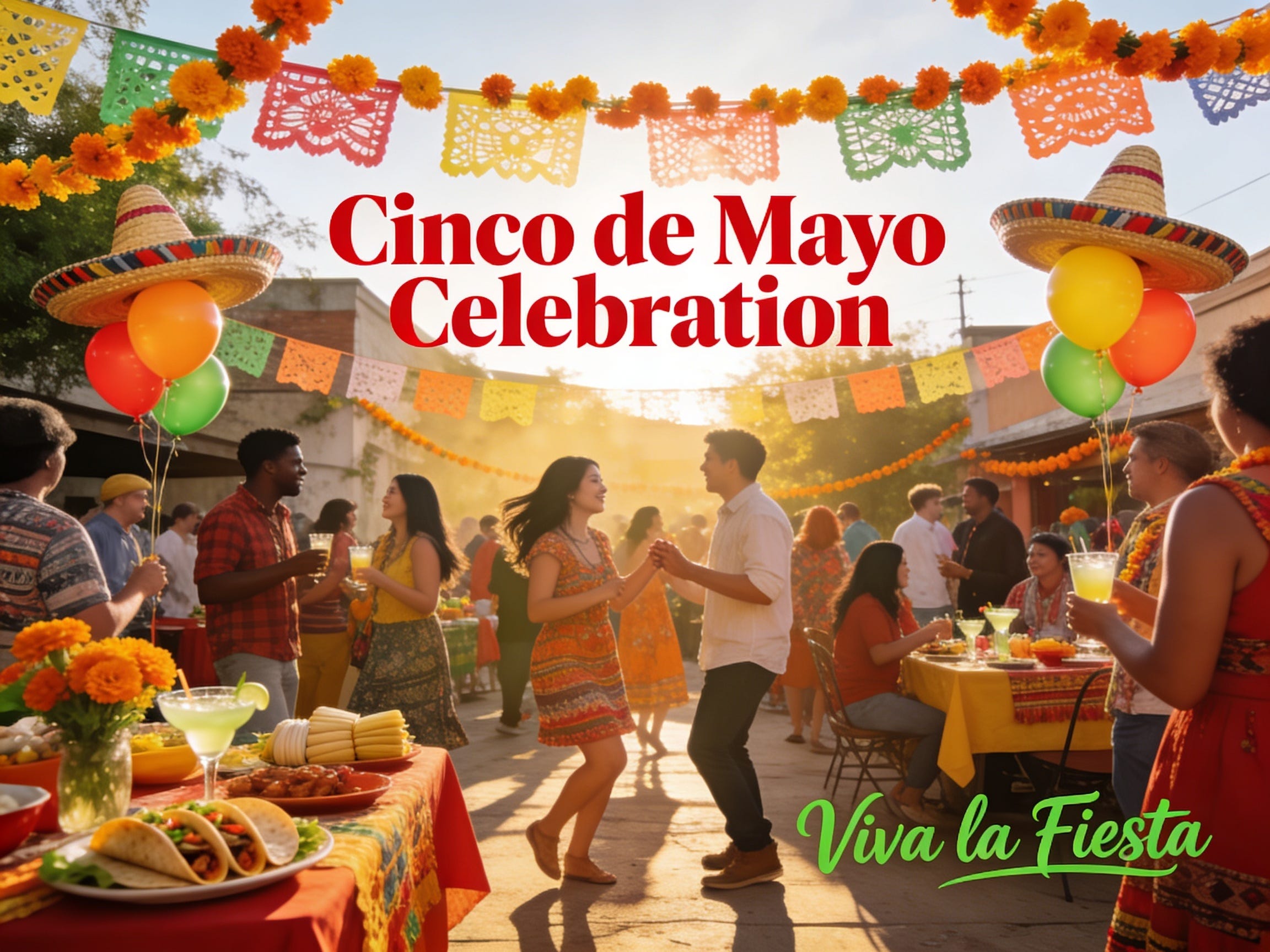
As politics and culture twist themselves into ever more grotesque shapes — dead set on birthing a litter of mutant “Now-Normal” existential identities — the rest of us watch with growing skepticism and anger. The witches and wizards stirring the pot keep serving up a toxic grog that infects the population with something worse than the Black Plague: manufactured division.
In my own family, those divisions run deep and jagged along mixed-race fault lines. My very first post on this Substack was about how America really is a boiling pot of people with different skin colors. The reality played out at our kitchen table every day.
The oldest kid is the whitest and speaks fluent Spanish. The youngest is darker-complected and doesn’t speak it at all. Conversations about “white-passing,” privilege, and who gets accused of cultural appropriation have been regular family discussion fodder for years.
When the white side of the family throws a Cinco de Mayo party, it reliably triggers a fresh round of discourse. When a significant other’s parent’s voting habits flare up, it fractures whatever fragile peace we’ve managed to rebuild over the last half-decade. This isn’t abstract theory. It’s personal.
Multi-Racial in America
Over 6 million US adults could be considered multiracial by 2015. pew multiracial
Every May, the broader cultural ritual kicks in right on schedule. Social media erupts with thinkpieces scolding that Cinco de Mayo is “not your holiday” if you’re not Mexican. Sombreros become microaggressions. Margaritas turn into moral hazards. Yet the same voices rarely blink when non-Irish people flood St. Patrick’s Day parades, dye rivers green, and drink Guinness by the gallon.
The question is simple and radioactive: Who exactly is allowed to celebrate what?
The Selective Outrage Machine
Cinco de Mayo is not Mexico’s Independence Day (that’s September 16). It marks the Battle of Puebla in 1862, where Mexican forces beat back the French. In Mexico it’s a relatively minor regional observance. In the United States it evolved into a celebration (Hallmark Holiday for Alcoholics) of Mexican-American pride, food, music, and yes — tacos and beer. Corporations didn’t create the vibe; they commercialized an existing one.
Meanwhile, Irish-Americans (and everyone else) have turned St. Patrick’s Day into an international bacchanal (Another Alky Holiday) with zero DNA tests required at the door. Italians celebrate Columbus Day (or Indigenous Peoples’ Day). Black Americans observe Kwanzaa. Jews eat Chinese food on Christmas while lighting Hanukkah candles. Human beings have been borrowing, mixing, adapting, and remixing culture since we left Africa.
Navajo Tacos, Tex-Mex, Chili Spaghetti and a million more culinary delights have come from an intermarriage of cultural love. The quest for global power was secured by the love of international food. How many civilizations have been conquered by gastronomic wars? So why the sudden pearl-clutching about “appropriation”? Especially concerning the basic human need to eat.
What “Cultural Appropriation” Actually Means in Practice
The academic version claims dominant groups steal from marginalized ones without respect or permission, often profiting while the origin culture suffers. There are legitimate gripes here: sacred items turned into cheap fashion, or living artists ripped off by corporations. Those are questions of manners, consent, and sometimes intellectual property.
But the modern weaponized version has ballooned far beyond that. It now polices:
White people doing yoga
Non-Japanese eating sushi
Anyone wearing braids, bindis, or hoop earrings who lacks the “correct” ancestry
Cooking food outside your bloodline
This logic disintegrates on contact with reality. Every culture is a patchwork of borrowings. Mexican food fuses indigenous, Spanish, African, and Middle Eastern influences. English is a Germanic language drenched in French, Latin, Norse, and Celtic. Rock & roll, jazz, blues, hip-hop — all products of collision and cross-pollination. If mixing equals theft, then human history is one long crime spree.
The Real Dividing Line: Appreciation vs. Mockery
Normal people already get the practical difference:
Appreciation: Enjoying the food, music, clothes, or traditions because you like them or respect their origins. Making real pho after watching a Vietnamese grandma’s video. Wearing a kimono because Japanese hosts invited you. Throwing a backyard taco night with mariachi on Spotify.
Mockery: Cartoonish stereotypes meant to ridicule — “lazy Mexican” costumes, blackface, redface, or turning “drunken Irish” into the punchline. That’s not appropriation. That’s just being a jerk. We used to call it bad taste.
The line isn’t racial blood quantum. It’s intent and context. A white family in SoCal celebrating Cinco de Mayo isn’t colonizing Mexico. A Mexican-American marching in a Chicago St. Patrick’s Day parade isn’t stealing Ireland. They’re doing American culture: showing up, joining in, mixing it up.
The Real Motivation Behind the Scolds
Much of this discourse isn’t about protecting cultures — it’s about preserving grievance hierarchies. If every tradition must stay locked inside its racial silo, identity gatekeepers keep their power. Shared joy and messy hybridity threaten the zero-sum worldview. Meanwhile, the same voices cheer when non-Western societies adopt blue jeans, iPhones, democracy talk, or English. The moral outrage flows in only one direction.
Bottom Line
You don’t need a permission slip from the ethnicity commissars to enjoy a margarita, wear green, eat General Tso’s, or throw a themed party. Cultures aren’t copyrighted by DNA. They’re living, breathing traditions that spread through love, curiosity, trade, migration, and yes — sometimes conquest. Purity is a fantasy. Hybridity is human.
So celebrate. Eat. Drink. Dance. Learn the stories if you want depth, or just enjoy the vibes. Mockery is rude. Enjoyment is not violence.
The real cultural crime is turning every shared pleasure into another battlefield of resentment.
Dana Perino wrote a fiction novel about this very topic. You should check it out. The playlist her assistant Kate DePetro put together is really good. Maybe, just maybe, this summer we can all get along?
Ric


I think you’re spot on.
But, I will always refer October 12 as Columbus Day (and my dad’s 😇 b-day !)
Thankfully, this feels like one trend whose wave has crested because it wasn't sustainable nor logical.