
Before and After
Comparison Culture Compels Conformity

Are you a “before” or “after” version of yourself? Like right now. Have you ever been different than right now? Are you better than ever? Or is the best yet to come? Because both cannot be true simultaneously.
If you are before the after, and after the before, then every single second is one and then the other. Does anyone make “after and after” memories? Or “before and before” predictions?
Being a Gen-X LA Native living in its current state of Shit-Holeness is a cursed blessing. Los Angeles is like the drunk dude’s description of the last girl in the bar at 2 am: Good from far, but far from good.
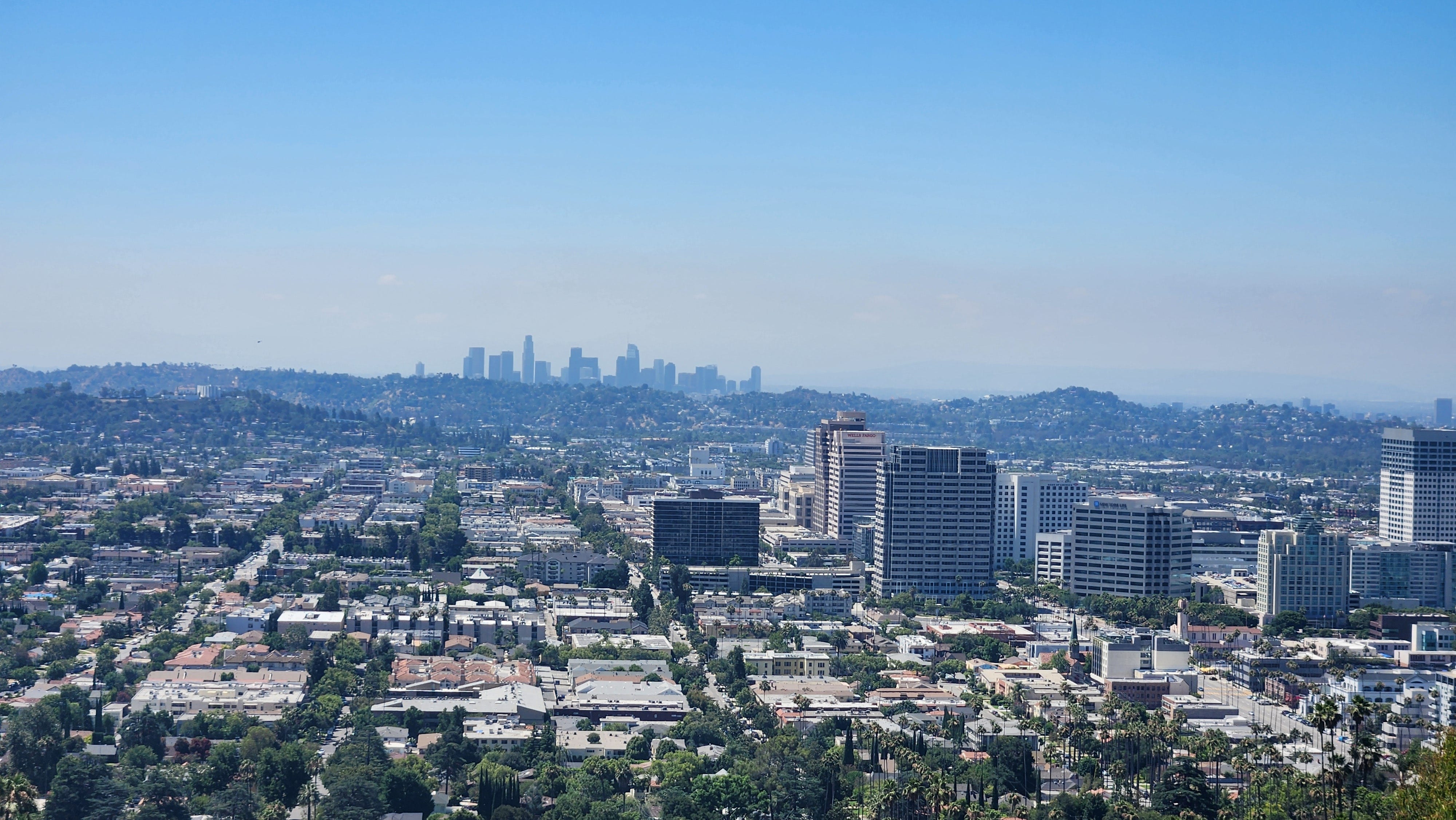
Seeing LA on my travels through the hills of Glendale brought back memories of immortality from days of youth. Biased of course, I consider the DTLA skyline to be the most familiar in the world, likely because of Hollywood. Artistically, LA is an evolving work of art on a canvas constantly creating. I’m a part of that creation.
Because of its visual accessibility via topography, LA provides countless locations from which to capture her beauty. My decades of career-switching between real estate and food service intersected the city like the Four-Level at rush-hour, providing me with a 360 degree view of the City of Angels. The city that I love.
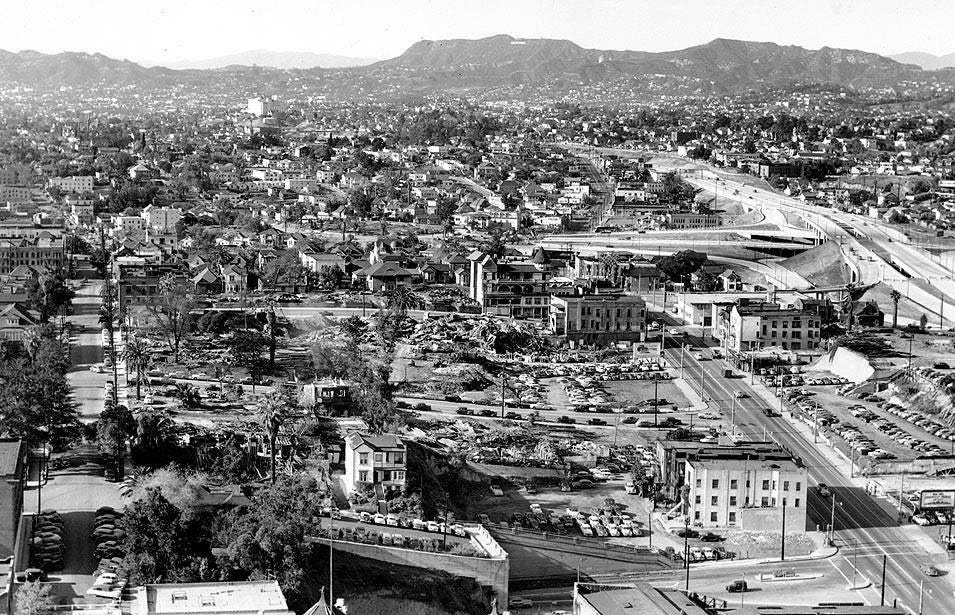
My work has taken me into homes and businesses with unparalleled visions of the pueblo founded by 44 settlers in 1781 to honor the virgin mother. The before and after is easy to see and understood by all. We live three-quarters of a century on average and make many before and after memories. Our existence is that memory.
The Line of Before and After
Where does the idea of “before and after” come from? It’s not just a catchy phrase or a makeover ad—it’s the way we carve up our lives, splitting time into the person we were and the person we became. It’s the hinge of every story we tell, from ancient myths to the moment you decided to keep reading this post. But what happens when you look back and think your best self was the one before a choice that changed everything—like the crime that sent me to prison? If that guy, full of fire and flaws, was my peak, what does that say about me now? Let’s unpack the story of this “before and after” obsession, using my own pivot points and my formula—Life / Food + Music + Art + Craft + History = Culture—to figure out why we’re wired this way and what it means for who we are.
The Roots of Before and After
Humans have always sliced time into befores and afters. It’s how our brains make sense of chaos. Way back, when early humans were dodging saber-toothed cats around 300,000 years ago, survival meant noticing patterns: before the hunt, you’re hungry; after, you’re fed or dead. That cognitive trick—organizing life into cause-and-effect—stuck with us. By the time we were telling stories around fires, like the Epic of Gilgamesh (circa 2100 BCE), we were framing lives around hinges: Gilgamesh before Enkidu’s death, a reckless king; Gilgamesh after, a man chasing meaning. Ancient Greek philosopher Heraclitus nailed it around 500 BCE: “You cannot step into the same river twice.” Every moment’s a shift, a new you. Always “becoming” but never “being”.
Language locked this in. Words like “before” (from Old English beforan) and “after” (æfter) gave us tools to name these splits. Religions doubled down: Christianity’s baptism marks a before (sinful) and an after (redeemed). Rites of passage in ancient Sumer or Indigenous tribes did the same—before initiation, you’re a kid; after, you’re something else. Fast-forward to today, and “before and after” is everywhere—weight loss ads, social media glow-ups, even political campaigns (America before, America after). It’s not just a narrative; it’s how we process change, from the personal to the cosmic.
Life: The Hinge of the Crime
Life is the raw material of before and after, the pulse that carries us across those lines. For me, one hinge was the crime that landed me in prison at 44. As I wrote in “Making An Enemy,” before that moment, I was an “average citizen,” self-righteous with moral certitudes and red lines drawn in ink. I thought I was my best self then—sharp, driven, living fast with a fire I could feel. But then came the choice, the one that flipped the script.
After the crime, after the bars, I was someone else: not better, not worse, just different. If that pre-crime guy was my peak, does that mean I’ve fallen? Or does it mean “best” isn’t a finish line but a moment, fleeting and flawed?
Life doesn’t let you stay still. Like I said in “A Circumstantial Hustler,” you’re always at a corner, deciding whether to cross. Before the crime, I was free but reckless; after, I was caged but wiser. The hinge wasn’t just prison—it was the moment I chose, and the consequences that followed. What’s your hinge? Maybe it’s a job you took, a love you lost, or a risk you didn’t. Life’s a series of these splits, each one rewriting you. If you think your best self was before a big moment, does that mean you’re less now? Or just someone new?
Family anchors our befores and afters like nothing else. In “Lettuce Pray,” I wrote this
In retrospect, unpacking one’s life is emotional geology. The pain and hurt and shame that came with so many bad decisions and a complete lack of impulse control have become memories. Not good or bad anymore. Just memories. To be picked apart and chiseled upon. So to learn and to grow. To accept.
my before of a chaotic upbringing—moving schools yearly, dodging my parents’ fights, punching the bully—produced an after me that treasures those struggles at an arm’s length by engaging those demons to know the hurt at the bottom.
Today’s before is the chase for tomorrow’s after, always concluding the intent is the extent before the deed is done. We lose the moment in pursuit of the memory.
I wrote about personal red lines and the cost of crossing them in “Morality for the Masses.” How our “before” selves are judged “right” or “wrong” based on the intended outcome. You were fat “before” and “after, you’re skinny. “After” the wealth seminar, you’re rich: “before,” you’re poor. Deciding on the best overall consequences becomes a matter of what one considers “the objectively right thing to do.” Before prison, defecating in public was a morally repugnant act for me. Definitely not the right thing to do. After prison, the realization of shitting in the open is a personal memory for me.
The Best Self Question
If I was my best self before the crime—full of fire, untested—what does that say? Maybe that “best” isn’t a peak but a snapshot, a version of me that fit that moment. The after me, shaped by prison, isn’t less—just different, carrying lessons the before me couldn’t know. We’re not fixed; we’re fluid, caught in a loop of befores and afters. As I wrote in “Four Years On,” consistency is success, and being glad is its own reward. Writing this is my after, making sense of the before.
So, where’s your line? Are you before the next hinge or after the last? Was your best self before a big moment, and if so, what does that mean for you now? Drop your thoughts below, share your pivot, and let’s unpack it. In the meantime, enjoy your Sunday, before it’s gone.
Ric
Join the Compass Star Wordsmith crew—free or paid, your support keeps this ship sailing. Be part of a community wrestling with the big questions, from the yard to the stars.

The evolution into the after is all part of the journey. We need the before to shape the after, just my thoughts.